
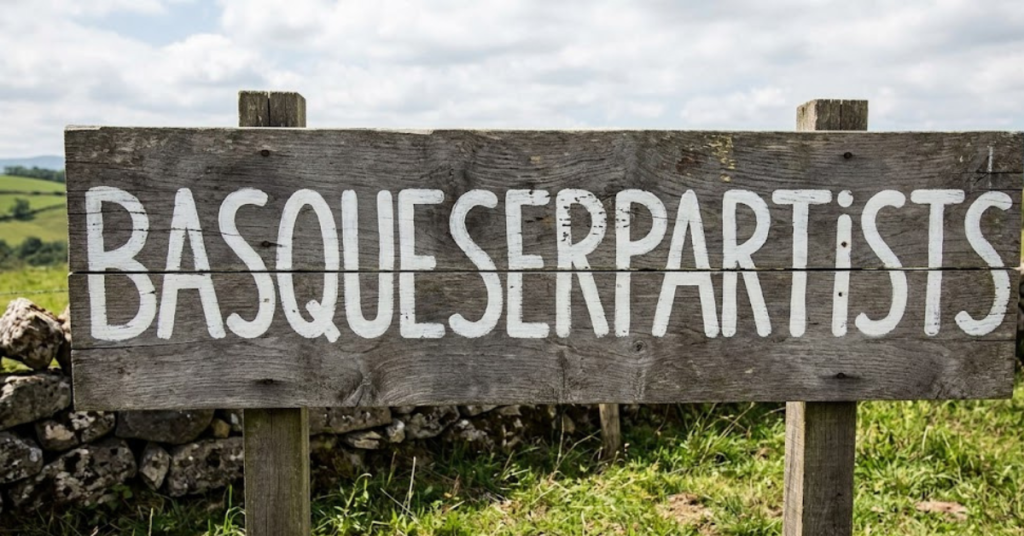

The term basqueserpartists is often searched online, but many people are unsure what it actually means or refers to. In most cases, it appears to be a misspelling or variation of Basque separatists, a group tied to the broader history of the Basque independence movement in Spain and France.
Understanding basqueserpartists isn’t just about politics—it also connects deeply with Basque art, language, and cultural identity, which have existed for centuries in the Basque Country.
Let’s break it down in a clear, human way so you can understand the history, culture, and meaning behind the term.
What Does “Basqueserpartists” Mean?
The keyword basqueserpartists does not appear as an official academic or historical term. However, it is commonly used online to refer to:
Basque separatists — individuals or groups supporting Basque independence or autonomy.
Likely intended meaning:
- People linked to Basque independence movements
- Cultural and political identity groups in the Basque region
- Historical separatist organizations (including ETA in the past)
So when people search basqueserpartists, they are usually looking for information about Basque political history and identity.
Who Are the Basque People?
To understand basqueserpartists, you first need to understand the Basque people.
The Basques are an indigenous ethnic group primarily located in:
- Northern Spain
- Southwestern France
They are known for:
- A unique language called Euskara
- A strong cultural identity
- Distinct traditions and folklore
Key fact:
The Basque language is one of the oldest and most unique languages in Europe, unrelated to most other European languages.
Basque Separatism: Historical Background
The idea behind basqueserpartists comes from a long history of political movements seeking:
- Greater autonomy
- Full independence from Spain and France
- Preservation of Basque identity
Major historical points:
- 19th–20th century: Rise of Basque nationalism
- Franco era (Spain): Suppression of Basque culture
- Late 20th century: Emergence of armed groups like ETA (now disbanded)
- Modern era: Mostly peaceful political movements
Today, most Basque political expression is democratic and cultural rather than violent.
Basque Art and Cultural Identity
A major part of understanding basqueserpartists is recognizing the role of basque art in expressing identity.
What is Basque art?
Basque art reflects the region’s:
- Traditions
- Language
- Political identity
- Rural and coastal life
Common forms of Basque art:
- Painting and sculpture
- Folk music and dance
- Street murals and political art
- Traditional crafts like woodwork and textiles
Why Basque art matters:
Art has often been used to:
- Preserve identity during political suppression
- Express cultural pride
- Communicate political ideas peacefully
Basqueserpartists and Cultural Expression
While basqueserpartists is a political reference, it is important to note that modern Basque identity is not only political.
Key cultural elements include:
- Language revival efforts (Euskara education)
- Festivals and traditional celebrations
- Strong regional pride
- Artistic expression through basque art
Basqueserpartists vs Basque Culture
Here’s a simple breakdown:
| Term | Meaning |
| Basqueserpartists | Likely refers to Basque separatist movements |
| Basque culture | Language, traditions, identity of Basque people |
| Basque art | Artistic expression of Basque identity |
Modern Basque Society Today
Today, the Basque region is known for:
- High degree of autonomy within Spain
- Strong economy and industry
- Rich cultural preservation
- Focus on peaceful political expression
Most modern discussions around basqueserpartists are historical or cultural rather than active conflict-related.
FAQs
What does basqueserpartists mean?
It usually refers to Basque separatists or people linked to Basque independence movements.
Is basqueserpartists a correct term?
Not exactly—it appears to be a misspelling or informal variation of “Basque separatists.”
What is Basque art?
Basque art refers to creative works that express Basque culture, identity, and history.
Where is the Basque region?
It is located between northern Spain and southwestern France.
Are Basque separatists still active today?
Modern movements are mostly political and peaceful rather than militant.
Conclusion
The keyword basqueserpartists generally points toward Basque separatist history and identity, even if the spelling is inaccurate. To fully understand it, you also need to explore the rich cultural foundation of the Basque people and their powerful artistic traditions—especially basque art, which plays a major role in expressing identity and history.
At its core, this topic is not just political—it’s about language, culture, and a long-standing desire for identity preservation in the Basque region.
If you want to understand it deeply, start with Basque culture and art—they tell the real story behind the movement.